When you are in the early stages of launching a business in Australia or the US, speed and cost are your primary drivers. In this startup phase, platforms like Wix, Squarespace, or Shopify seem like a gift. They allow you to get a digital presence live over a weekend for the cost of a few cups of coffee. However, as your business moves past survival mode and enters a phase of true scaling, the tools that helped you start can become the very bottlenecks holding you back. For an established company looking to capture high-value leads and dominate search rankings, the hidden limitations of DIY website builders quickly transform from minor inconveniences into substantial revenue drains.
A website shouldn’t just be an online business card; it must function as a high-performing engine for your business operations. When your platform lacks the infrastructure to adapt to your evolving business needs, your digital growth stalls. In this deep dive, we will analyze why proprietary, drag-and-drop platforms frequently fail mid-sized enterprises and why transitioning to a dedicated, strategic setup is essential for sustainable online success.
1. The Glass Ceiling of Proprietary Templates
DIY platforms operate on a closed-loop system. They provide pre-built templates designed to satisfy the lowest common denominator of design needs. While these layouts look polished on the surface, they are fundamentally rigid.
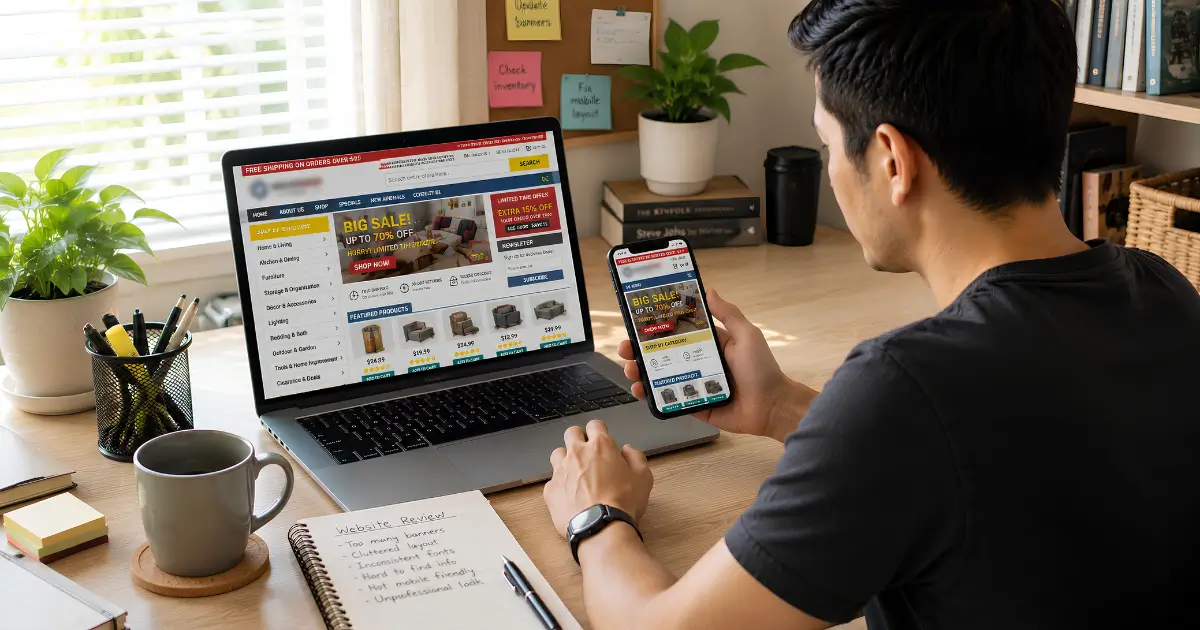
As your business grows, you will inevitably want to alter user flows, introduce unique interactive features, or create tailored landing pages for specific marketing campaigns. On a DIY builder, you will quickly hit a wall. You cannot modify the core source code freely, meaning you are forced to compromise your business workflows to fit the constraints of the software.
True small business web design requires absolute layout freedom. When we design for growing companies, we ensure that the website layout bends to the business model, rather than forcing the business model to bend to a rigid, pre-made template.
2. Overcoming the Technical Limitations of DIY Website Builders
A major risk for expanding companies is the lack of code clean-up and platform speed optimization within closed environments. Because DIY platforms must accommodate users who do not know how to code, their underlying systems are packed with heavy, bloated scripts and redundant code layers.
Code Bloat and Core Web Vitals
This structural inefficiency directly impacts your site loading speed. Search engines, particularly Google, heavily penalize websites that fail to meet modern Core Web Vitals metrics. Slow loading speeds kill consumer trust and lower your organic search visibility.
By contrast, an open-source system built around professional tools offers complete control over your site’s asset delivery. When utilizing our specialized WordPress + Divi web design solutions, every piece of code serves a purpose. We can eliminate unnecessary scripts, compress visual files cleanly, and implement advanced caching protocols to keep your site blazing fast.
Integration Roadblocks
Growing businesses rely on a complex tech stack from advanced CRMs like HubSpot or Salesforce to specialized inventory management and automated marketing tools. DIY platforms often restrict you to their native, surface-level application stores. If a specific tool your sales team needs doesn’t have an official app, creating a custom API bridge is usually impossible or prohibitively expensive.
3. The Hidden SEO Ceiling
Organic visibility is the lifeline of long-term business website growth. While DIY platforms claim to be “SEO-friendly,” their capabilities are usually basic. They allow you to modify title tags and meta descriptions, but true search engine optimization goes much deeper.
Advanced technical SEO requires:
- Granular control over site architecture and URL hierarchies.
- Custom schema markup implementation for rich search results.
- Advanced control over indexing tags, canonical URLs, and robot commands.
- Server-side speed optimizations.
Proprietary platforms shield you from these technical layers. If your competitor is on a highly customizable, SEO-optimized platform like WordPress, they can fine-tune their technical SEO to a degree that a DIY builder simply cannot match. WordPress is built from the ground up to be crawled cleanly by search engines, giving your content a natural competitive edge in highly crowded markets.
4. The Illusion of Cost Savings
The low monthly subscription fee of a DIY builder is a brilliant marketing strategy, but it hides the true total cost of ownership (TCO) for an enterprise.
The Time-Tax on Founders
As a business owner or director, your time is valued in hundreds of dollars per hour. Every afternoon you spend wrestling with a drag-and-drop editor trying to fix a broken layout mobile view, or trying to figure out why a contact form isn’t sending emails to your CRM, is time stolen from strategic growth.
Feature Paywalls
Furthermore, as you require more advanced capabilities, such as membership areas, premium booking systems, or advanced ecommerce filtering, DIY platforms will push you into higher tier subscriptions or force you to buy expensive monthly add-on apps. Over time, these recurring costs pile up significantly, often matching or exceeding the cost of professional website maintenance and hosting.
5. You Don’t Own Your Digital Real Estate
Perhaps the most critical risk of relying on a DIY platform is the complete lack of digital asset portability. When you build a website on a proprietary builder, you are effectively renting space on their servers. You do not own the code, you do not own the design framework, and you cannot export your site to another provider.
If the platform changes its pricing model, deprecates a feature your business relies upon, or shutters its services entirely, you are completely at their mercy. If you ever decide to scale up and migrate away, you cannot simply move your files. You have to scrap everything and rebuild your entire online presence from scratch, risking your accumulated SEO value and brand continuity.
With WordPress, you own 100% of your digital property. Your database, files, and designs belong entirely to you, providing maximum platform safety and long-term asset value.
Practical Implementation: How to Pivot to a Scalable System
If you have recognized that your current DIY setup is limiting your market reach, making the switch doesn’t have to break your operations. Here is how to strategically transition toward long-term digital growth:
- Conduct a Content and Asset Audit: Document all your high-performing pages, blog posts, and customer facing assets. This ensures no valuable data is lost during a transition.
- Map Out Needed Integrations: Define exactly what your website needs to do over the next 24 months (e.g., automated client onboarding, custom booking flows, automated review gathering).
- Prioritize Custom UX/UI Design: Shift your focus toward a tailored framework optimized specifically for your distinct buyer persona. This is where professional website conversion optimization turns passive visitors into paying clients.
- Work with a Growth Agency: Partner with specialists who understand how to safely migrate your existing search engine rankings without losing organic traffic.
Conclusion
Relying on initial, entry-level website platforms is a natural step for an early startup. However, scaling an enterprise requires tools designed for longevity, security, and market performance. The limitations of DIY website builders will eventually restrict your visibility, damage your user experience, and limit your operational efficiency.
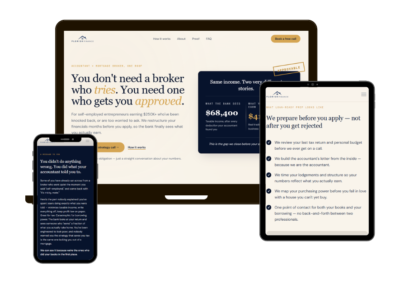
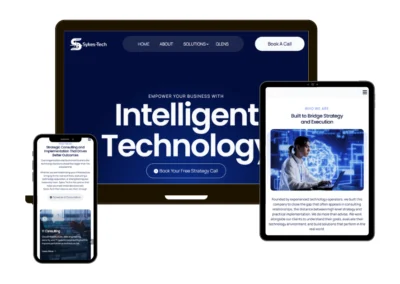
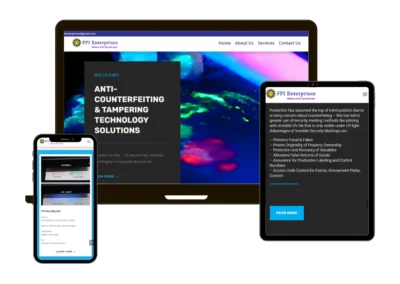
Investing in a robust, custom WordPress ecosystem is an investment in your business’s autonomy, scalability, and market positioning. Review our web design projects to see how we have successfully transitioned growing brands away from restrictive platforms and into highly optimized, revenue-generating digital environments.
Take Control of Your Digital Growth Today Don’t let a restrictive website builder set the boundary for your company’s success. It’s time to step up to an agile, fast, and completely customizable web presence that elevates your brand and outpaces your competition. Contact WebLychee today to book a strategic consultation, and let’s map out an online presence designed to scale alongside your business.