Introduction: The Costly Myth of Beautiful Websites
Many business owners believe that a beautiful website automatically leads to more leads, sales, and customers.
Unfortunately, that’s rarely true.
We’ve seen countless businesses invest thousands into visually impressive websites only to discover that traffic stays flat, inquiries remain low, and conversions never improve. The reason is simple: design alone does not drive results.
A strong website conversion strategy does.
Design is important. It creates first impressions and builds trust. But without a clear strategy guiding every page, message, and user journey, even the most attractive website becomes an expensive digital brochure.
For small and medium-sized businesses, the real goal isn’t winning design awards. It’s creating a website that supports business growth, generates leads, and helps visitors take action.
Let’s explore why strategy matters more than design and how businesses can build websites that actually perform.
What Website Visitors Really Want
Many businesses focus heavily on how their website looks.
Customers focus on something completely different.
They want answers.
When someone lands on your website, they’re subconsciously asking:
- Am I in the right place?
- Can this business solve my problem?
- Why should I trust them?
- What should I do next?
If your website doesn’t answer those questions quickly, visitors leave.
Design Supports Communication
Good design helps people consume information.
Strategy determines what information should be communicated in the first place.
A strategically planned website ensures that every section serves a purpose:
- Building trust
- Explaining services
- Addressing objections
- Demonstrating expertise
- Encouraging action
Without those elements, even the most beautiful design becomes ineffective.
Strategy Starts Before Design
One of the biggest mistakes businesses make is jumping straight into colors, layouts, and visuals before defining objectives.
A successful website starts with business goals.
Define the Primary Conversion Goal
Every website should have a clear purpose.
Examples include:
- Generating quote requests
- Booking consultations
- Selling products
- Collecting leads
- Encouraging phone calls
When goals are unclear, websites become cluttered because they try to do everything at once.
A proper website conversion strategy aligns every page and section around a primary business objective.
Understand the Customer Journey
Business owners often know their products extremely well.
Customers do not.
Strategic websites guide visitors through a logical journey:
- Awareness
- Understanding
- Trust
- Decision
- Action
When that journey is carefully planned, conversions naturally improve.
Why Most Business Websites Fail to Convert
Many websites suffer from the same strategic issues.
They Focus on the Business Instead of the Customer
Visitors care less about company history and more about how you can help them.
Instead of leading with features, websites should communicate outcomes.
For example:
Weak messaging:
We provide comprehensive business consulting services.
Stronger messaging:
We help small businesses improve operations, increase profitability, and scale sustainably.
The second example focuses on customer benefits.
They Lack Clear Calls to Action
Visitors should never wonder what to do next.
Every important page should guide users toward a desired action.
Examples include:
- Request a quote
- Book a consultation
- Contact us today
- Schedule a discovery call
Without strategic calls to action, visitors leave without engaging.
They Ignore Trust Signals
People buy from businesses they trust.
Strong trust builders include:
- Client testimonials
- Case studies
- Certifications
- Industry experience
- Project portfolios
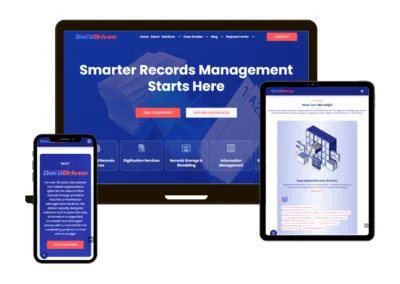
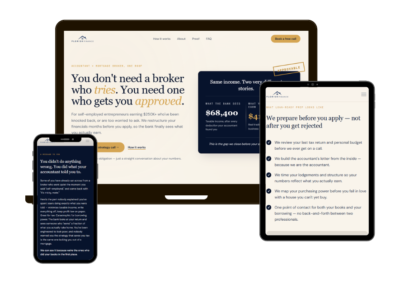
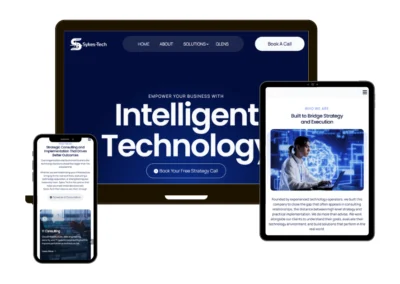
This is why showcasing our web design projects can significantly improve credibility and conversion rates.
The Role of WordPress in Conversion-Focused Websites
Technology alone won’t create conversions.
However, choosing the right platform provides the flexibility needed to execute an effective strategy.
WordPress Scales With Your Business
Many businesses outgrow website builders that limit customization and growth.
WordPress allows businesses to:
- Add new pages
- Expand functionality
- Improve SEO
- Integrate marketing tools
- Optimize conversion paths
This flexibility makes it a strong long-term investment.
Strategic Design Requires Flexibility
As businesses learn more about their customers, they often need to:
- Refine messaging
- Test calls to action
- Add landing pages
- Improve user flows
This is one reason we build many client websites using WordPress web design services, allowing businesses to evolve their websites without rebuilding from scratch.
Conversion Optimization Is an Ongoing Process
Many business owners treat a website as a one-time project.
High-performing businesses view it as an ongoing asset.
Launch Is Only the Beginning
After launch, valuable insights begin to emerge.
You can analyze:
- Which pages attract traffic
- Where visitors drop off
- Which calls to action perform best
- What content generates inquiries
This data helps improve performance over time.
Website Performance Matters
Even great messaging can fail if the website performs poorly.
Slow websites increase bounce rates and reduce conversions.
Regular optimization ensures:
- Faster load times
- Better mobile experiences
- Improved user engagement
- Stronger search visibility
Businesses that invest in website optimization services often see measurable improvements in both user experience and lead generation.
Maintenance Protects Your Investment
Security issues, outdated plugins, and technical problems can damage credibility and performance.
A proactive approach to website maintenance and hosting helps keep websites secure, fast, and reliable while supporting long-term growth.
Practical Ways to Improve Your Website Strategy Today
You don’t need a complete redesign to improve results.
Start with these strategic improvements:
Review Your Homepage Message
Can visitors immediately understand:
- What you do?
- Who you help?
- Why you’re different?
If not, simplify and clarify.
Evaluate Your Calls to Action
Ask yourself:
- Is the next step obvious?
- Does every major page contain a call to action?
- Are visitors encouraged to take action?
Strengthen Trust Elements
Add:
- Testimonials
- Reviews
- Certifications
- Client logos
- Case studies
Trust often becomes the deciding factor between choosing you or a competitor.
Focus on User Experience
Reduce friction by:
- Simplifying navigation
- Improving mobile usability
- Speeding up page load times
- Eliminating unnecessary distractions
Small improvements can produce significant conversion gains.
Conclusion: Strategy Creates Growth
The businesses that achieve the best results online understand a simple truth.
Design captures attention.
Strategy drives action.
A website that looks great but lacks direction will struggle to generate leads and support growth. A strategically built website, on the other hand, helps visitors understand your value, builds trust, and guides them toward becoming customers.
That’s why every successful website conversion strategy starts with understanding business goals, customer needs, and conversion opportunities before any design decisions are made.
If your website isn’t producing the results you expect, the problem may not be the design. It may be the strategy behind it.
Ready to Build a Website That Actually Converts?
If you’re ready to move beyond aesthetics and invest in a website that supports growth, generates leads, and improves search visibility, WebLychee can help.
We specialize in WordPress and Divi websites designed around business goals, user experience, SEO, performance, and long-term scalability.
Contact WebLychee today and let’s build a website strategy that turns visitors into customers.