
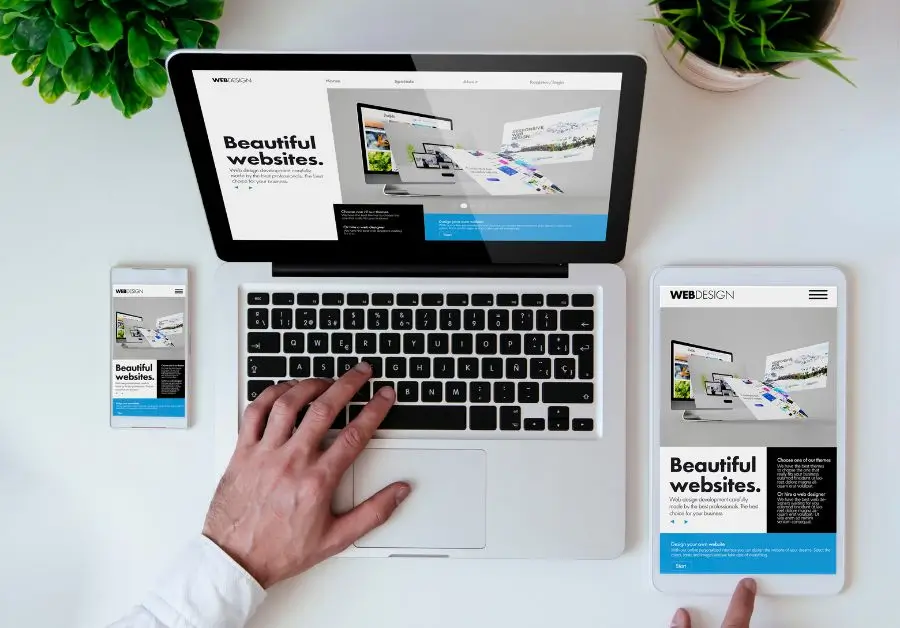
In today’s digital economy, a professional website for small business owners is no longer optional; it’s essential. Whether you’re launching a startup or growing an established company, your website acts as your digital storefront, sales representative, and credibility builder all in one.
But with DIY platforms everywhere, many business owners ask: Is it really worth paying for a professional website?
The answer is yes, because your website is not just a design project. It’s a revenue-generating business asset.
The Role of a Professional Website in Business Growth
A professional website for small business success does far more than display information. It builds trust, drives traffic, and converts visitors into customers.
1. Credibility and Trust
Your website is often the first impression people have of your business.
A professionally built website:
- Looks polished and trustworthy
- Reflects your brand identity
- Builds instant credibility
According to Google’s Search Quality Guidelines, trust and authority influence online visibility. A poorly designed or outdated website can reduce both user confidence and search rankings.
First impressions online are lasting impressions.
2. 24/7 Accessibility and Lead Generation
Unlike a physical storefront, your website works around the clock.
A professional website allows customers to:
- Learn about your services anytime
- Book consultations
- Make purchases
- Submit inquiries
Even while you sleep, your website can generate leads.
That’s leverage.
3. Search Engine Visibility (SEO)
Having a website isn’t enough; it needs to be found.
A professional website for small business growth includes:
- Proper on-page SEO structure
- Optimized meta titles and descriptions
- Mobile responsiveness
- Fast loading speeds
- Clean URL structure
If SEO isn’t implemented correctly from the start, your website may remain invisible in search results.
For deeper insight into SEO best practices, you can review Google Search Central documentation.
Or better yet, integrate professional SEO services into your website strategy from day one.
DIY vs. Professional Website: What’s the Real Difference?
DIY builders like Wix or Squarespace may seem cost-effective. But the real question is long-term value.
| Factor | DIY Website | Professional Website |
| Design Quality | Limited by templates; may look generic. | Custom-designed to reflect your brand’s identity. |
| Functionality | Basic features; limited customization. | Advanced functionality tailored to your needs. |
| SEO Optimization | Minimal SEO control, leading to poor rankings. | Optimized for search engines to drive traffic. |
| Time Investment | Requires hours of learning & building. | Done efficiently by experts, saving you time. |
| Long-Term Value | May require constant tweaking & fixing. | Built for longevity, requiring less maintenance. |
Design Quality
DIY websites rely on templates.
Professional websites are custom-built to reflect your brand.
Functionality
DIY platforms offer limited flexibility.
Professional builds allow advanced features, integrations, and scalability.
SEO Control
DIY sites often restrict optimization.
Professional websites are structured for rankings and long-term growth.
Time Investment
DIY requires hours of learning and troubleshooting.
Professional designers build efficiently while you focus on running your business.
Long-Term Performance
DIY sites often need rebuilding as you grow.
A professionally built WordPress website scales with you.
Platforms like WordPress remain one of the most scalable and SEO-friendly content management systems when implemented strategically.
Why Investing in a Professional Website Pays Off
A professional website for small business owners is not an expense; it’s an investment.
Custom Branding That Stands Out
Your business is unique. Your website should be too.
Professional design ensures:
- Clear brand messaging
- Consistent visual identity
- Strong positioning against competitors
Generic templates rarely create memorable brands.
Conversion-Focused Structure
Professional web designers understand:
- User psychology
- Strategic layout placement
- Call-to-action optimization
- Conversion funnels
A website should guide visitors toward one clear action: booking, buying, or contacting.
Design doesn’t convert. Strategy does.
Security and Stability
DIY websites often lack robust security measures.
Professional websites include:
- Secure hosting
- SSL certification
- Regular updates
- Backup systems
Security builds trust and protects your revenue.
Long-Term Cost Savings
DIY might look cheaper upfront, but:
- Lost leads
- Poor SEO
- Slow load speeds
- Constant fixes
…can cost far more over time.
A properly built website lasts longer, performs better, and requires fewer rebuilds.
That’s true ROI.
Strategic Takeaways for Business Owners
If you’re deciding whether to invest in a professional website for small business growth, ask yourself:
- Do I want my website to look credible and competitive?
- Do I want it to rank on Google?
- Do I want it to convert visitors into customers?
- Do I want scalability as my business grows?
If the answer is yes, a professional website is not optional; it’s foundational.
Conclusion: Your Website Is a Growth Engine
A professional website for small business success is more than a digital brochure. It is:
- A marketing engine
- A credibility builder
- A sales tool
- A scalable business asset
In a digital-first world, businesses without professional websites fall behind.
If you’re serious about growth, visibility, and long-term success, investing in a professionally built website is one of the smartest decisions you can make.
Ready to build a website that works as hard as you do? Let’s create a professional, conversion-focused website designed to grow your business.

0 Comments